
When we ask, “Does the body conquer the fears that the mind perceives?” The first truth we must recognize is that the body itself does not fear. The body is neutral, a vessel. Fear comes from the mind. The mind, when clouded by ignorance, creates and collects fears.
The cause of fear is ignorance. Ignorance is simply not knowing, being disconnected from truth. Fear is like darkness. You cannot fight darkness; you can only bring light. In the same way, when awareness dawns, fear disappears.
Although fear originates in the mind, its effects are often experienced throughout the body. The human nervous system is designed to respond to perceived threats, whether those threats are physical or psychological. When fear becomes chronic, the body can remain in a prolonged state of stress, even when no immediate danger is present.
Research in psychology and neuroscience has shown that unresolved emotional stress can influence physical well-being. Experiences that are not fully processed—such as suppressed emotions, avoidance of difficult situations, or unresolved trauma can contribute to ongoing physiological tension. Over time, the body may begin to reflect this burden through symptoms such as tightness in the chest, shallow breathing, muscle tension, headaches, fatigue, digestive discomfort, or difficulty sleeping.
The mind and body are deeply interconnected. When the brain repeatedly interprets situations through the lens of fear, insecurity, or self-doubt, the body’s stress response system can become overactivated. This may lead to elevated levels of stress hormones, increased inflammation, and reduced resilience over time. While emotional difficulties do not directly cause specific illnesses, chronic stress has been linked to a range of health challenges and can negatively impact overall physical and psychological well-being.
It’s important to be precise here: emotional difficulty does not directly cause specific diseases. But chronic, unresolved stress is well-documented as a contributing factor to a range of health challenges, and it consistently undermines overall physical and psychological well-being.
The behavioral cost of unaddressed fear
Fear that goes unexamined doesn’t stay contained to internal physiology. It shapes behavior. Individuals carrying deep-seated insecurity or low self-worth often seek external validation to offset an internal sense of inadequacy. This external-seeking can provide temporary relief, but it rarely resolves the underlying issue. Lasting change typically requires self-awareness, self-compassion, and a willingness to face rather than avoid the fear itself.
The body remembers what the mind tries to forget, and karma never forgets. What goes around eventually comes around. In what shape and intensity only time will tell.
And when these fears sit unaddressed, they begin to sabotage how we live. Fear keeps us guarded, even when we long to open up. It whispers, “Don’t trust. Don’t love too much. Don’t show who you are.”
So instead of being naturally kind, loving, and compassionate, we build walls. Instead of connecting deeply with others, we protect ourselves. Instead of knowing ourselves as infinite and free, we shrink into the smallness of insecurity.
Think about it. Fear of rejection keeps us from giving love fully. Fear of judgment stops us from showing kindness openly and fear of failure prevents us from expressing our true gifts.
Fear makes us strangers to ourselves. We start living as the mind’s version of “safe,” instead of the soul’s truth of “free.”
But liberation is possible. How?
By facing fear. By shining light on it. Fear of darkness disappears the moment you switch on the light. Fear of people softens when you actually meet them, speak with them, and see their humanity. Fear of situations fades when you step into them and realize life supports you.
Each time you face a fear, the body releases tension, the heart softens, and the mind clears. Awareness breaks the cycle.
The body, once heavy with unprocessed emotion, becomes lighter. The mind, once clouded, becomes open. And suddenly, love flows more easily. Kindness is no longer blocked. You discover yourself. Not as a fearful being, but as an aware being, capable of love, peace, and freedom.
The role of connection
Social and psychological research consistently shows that connection to oneself, to others, and to a broader sense of meaning. It is protective against chronic fear and stress. This is sometimes referred to as a buffering effect.
Interoceptive awareness (attentiveness to one’s own breath and bodily sensations) supports nervous system regulation and present-moment grounding.
Social connection and supportive relationships are strongly associated with greater psychological resilience and reduced perceived threat.
A sense of connection to something larger than oneself, whether through community, purpose, or spiritual practice has been associated with improved coping and lower reported anxiety.
Fear tends to isolate. Connection tends to regulate. Rebuilding a felt sense of safety in the body, in relationships, and in one’s broader sense of meaning. It is central to reducing the long-term grip of unresolved fear.
Connection restores wholeness. It reminds you that you were never broken, never small, never weak. You are part of life itself. And life, in its essence, is not fear, it is love.
So remember that fear is a natural and adaptive response, but when chronically unaddressed, it carries a real physiological and behavioral cost. The path forward isn’t to eliminate fear, but to build the capacity to face it directly, supported by self-awareness and genuine connection.
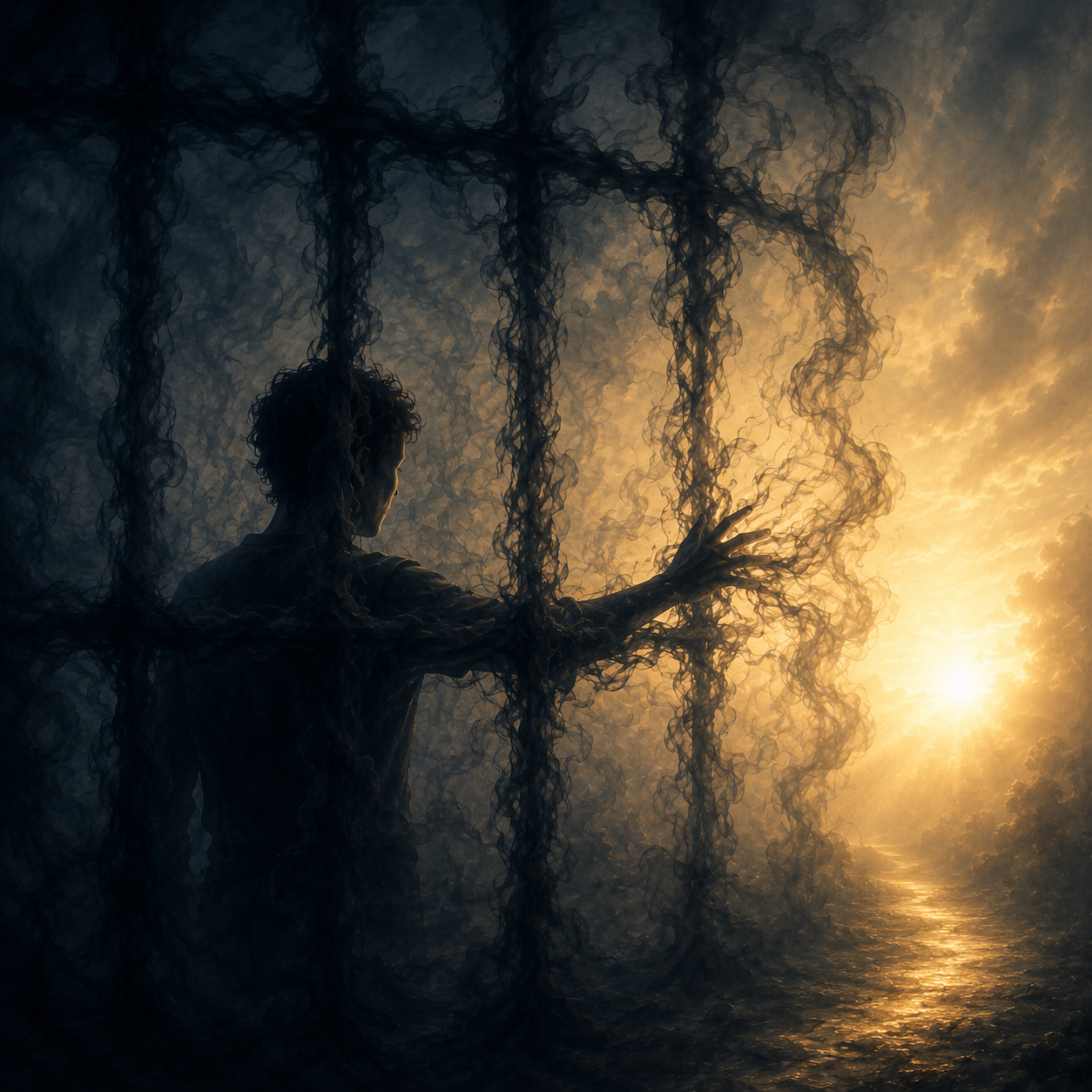
Fear, the Body, and the Path Back to Love
•
Leave a Reply